Brand planning
How to Start a Sportswear Brand: Build the First Range
A first collection becomes easier to plan when it solves a clear customer need. Start with a focused range and verify the operational details before expanding it.
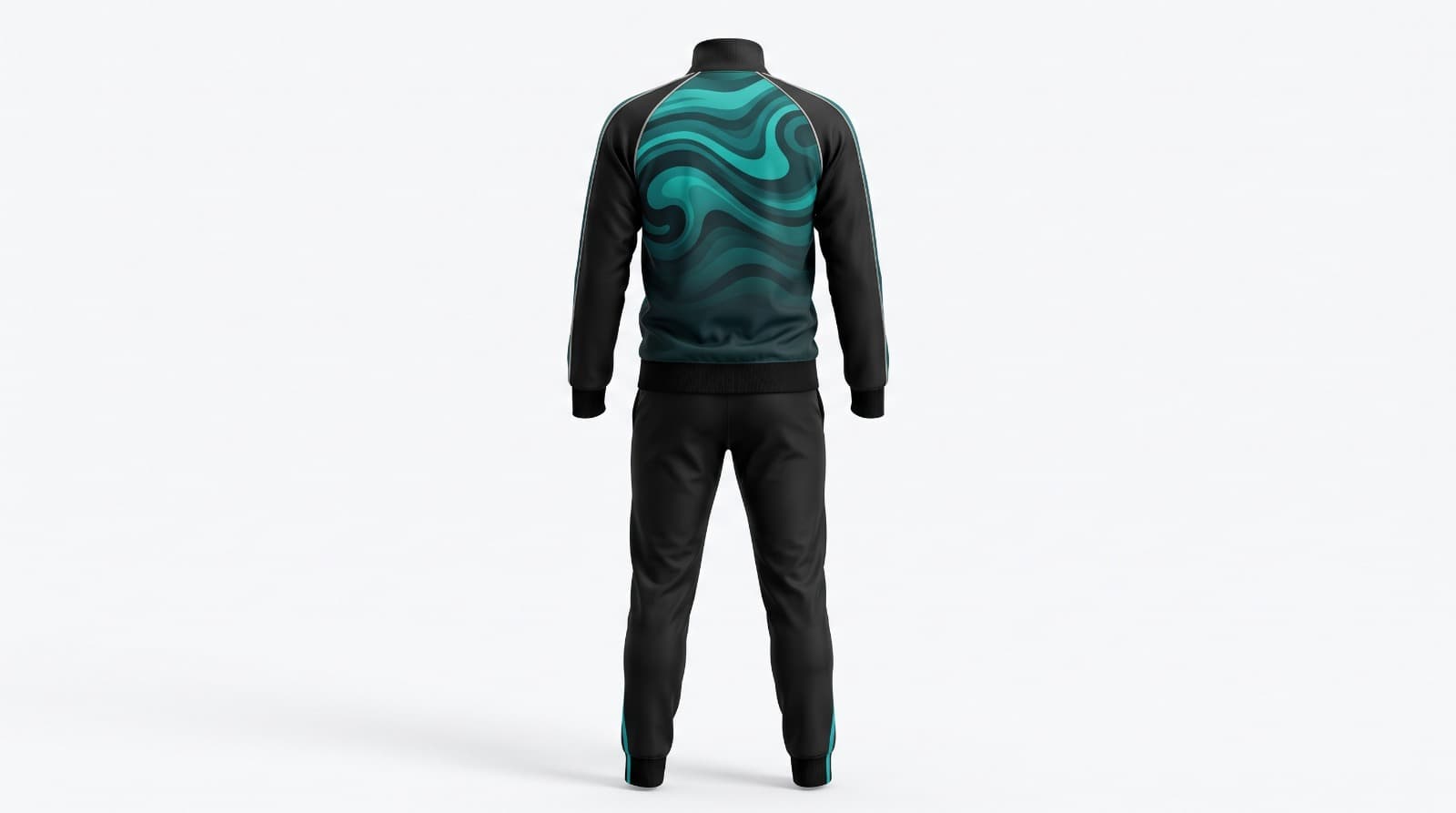
Starting a sportswear label means making a series of product and business decisions. Before building a large assortment, define who the first products are for and what they need to do. A focused range gives you clearer specifications, more useful samples to review, and better questions for potential suppliers.
Build the range in deliberate stages
- 01
Choose a customer and use case
Describe the wearer, activity, climate or season, price position you are exploring, and where the range will be sold.
- 02
Select a narrow product focus
Decide whether the first range centers on team uniforms, training layers, fitness separates, or another specific use.
- 03
Create a product brief
For every style, collect fit references, measurements, fabric targets, construction details, colors, branding, and finishing requirements.
- 04
Map the buying and approval process
Set an expected size and quantity range, identify who approves samples, and list what you need to learn about MOQ, sampling, and production planning.
- 05
Review the commercial picture
Build a budget that considers product costs, development, packaging, freight, duties, taxes, and the margin needed for your sales channel.
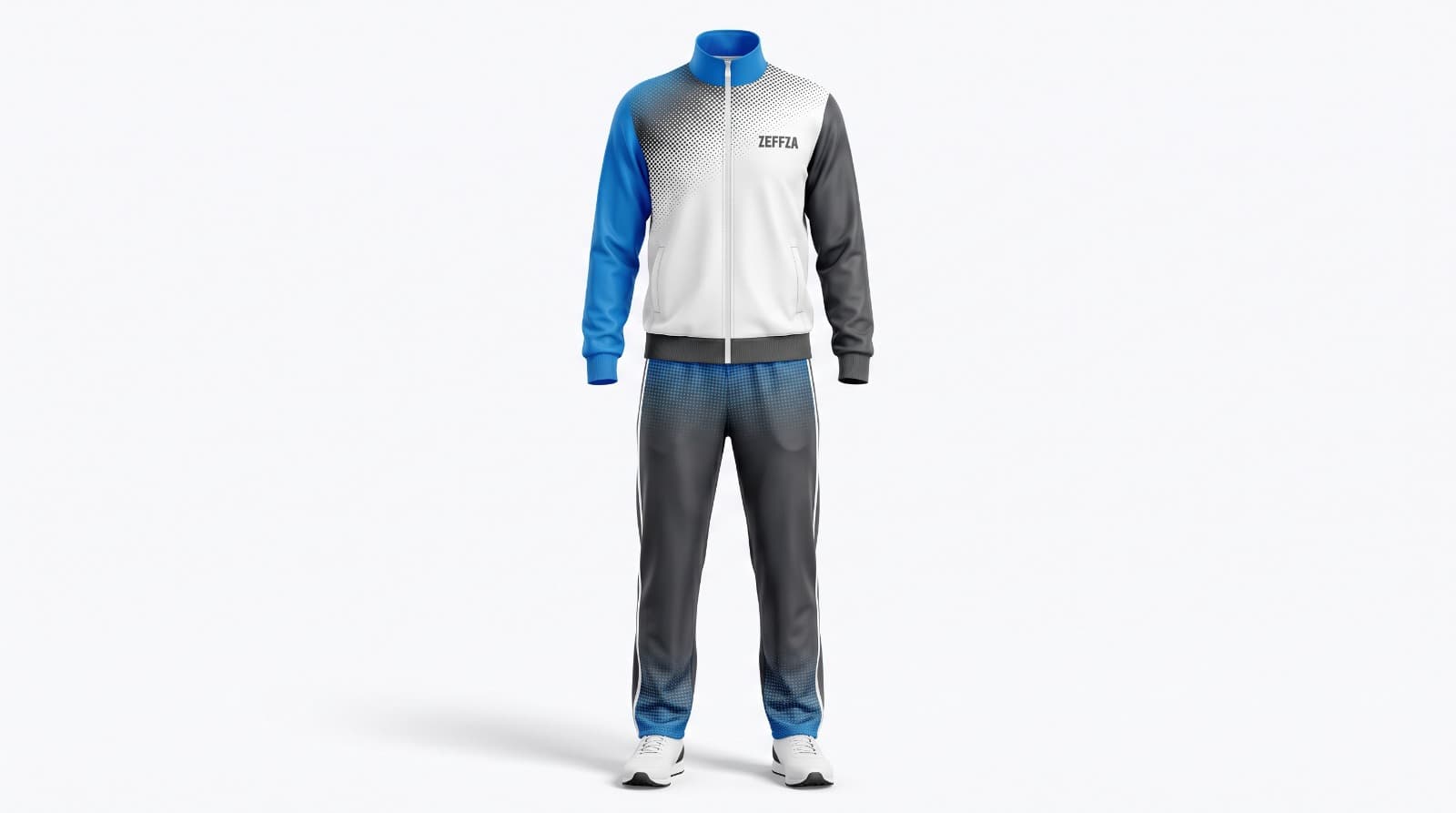
Ask questions before choosing a supplier
Request project-specific information about product fit, material options, customization, MOQ, sample process, costs, timing, and delivery terms. Ask how each detail will be confirmed and what the quote includes. Compare suppliers using the same product brief so you are comparing like with like.
Early decisions that shape your first drop
- Your target customer and the problem the product should solve.
- A small set of styles that work together as a range.
- Brand name, logo files, color palette, label content, and packaging direction.
- A size chart and sample review plan for the intended market.
- A realistic budget, quantity range, launch window, and contingency plan.
Keep the first brief easy to review
One document per style, a clear revision name, and an itemized size/quantity plan make conversations easier to follow. Keep the latest artwork, measurement chart, and specification together, and note which decisions are still open.